View on Map
 Emergency & Trauma Care






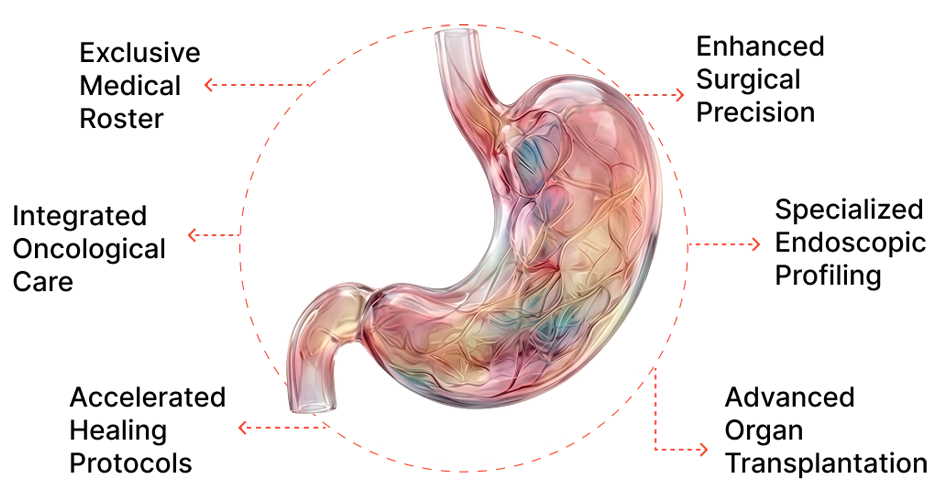
The Institute of Gastrosciences provides end-to-end care for all conditions affecting the digestive tract, pancreas, or liver, including the advanced management of tumours and cancers. We provide the full spectrum of multidisciplinary, collaborative care, ranging from preventive lifestyle measures to curative interventions, and from non-invasive diagnostics to complex surgical procedures.
Led by pioneers of minimally invasive gastrointestinal surgery—including highly advanced robotic procedures—the institute brings together elite physicians skilled in treating all diseases and conditions of the oesophagus, stomach, liver, pancreas, biliary tract, and the small and large intestines. Together, they offer holistic wellness pathways to patients, maintaining a strong focus on disease reversal and long-term management to ensure a vastly improved quality of life.
We are a high-volume centre for advanced surgical interventions, including Whipple Surgery, Laparoscopic Cholecystectomy, Liver Biopsies, and Bariatric Surgery. We maintain internationally comparable success rates, fully backed by state-of-the-art diagnostic and therapeutic technologies.
Our gut is frequently referred to as the body's second brain, and we are wholly dedicated to offering the most advanced, holistic care for all organs of the gastrointestinal system. Our world-class team collaborates seamlessly across medical, surgical, and allied clinical fields, guaranteeing that each patient receives the most effective treatment tailored to their unique physiological needs within a trusting and deeply empathetic environment.
Gastroenterology Team
Elite gastroenterologists, hepatologists, and pancreaticobiliary surgeons work in complete synergy to provide expert, comprehensive care for all your digestive health needs.
Our Treatments
Gastrointestinal disorders demand careful clinical intervention and highly prompt treatment:

Capsule endoscopy is an advanced medical process utilised to thoroughly examine the small intestine. During this diagnostic test, the patient swallows a specialised capsule equipped with a built-in miniature camera.
This camera captures continuous, high-resolution pictures of the internal digestive organs, which are then transmitted to a computer screen for expert clinical assessment.
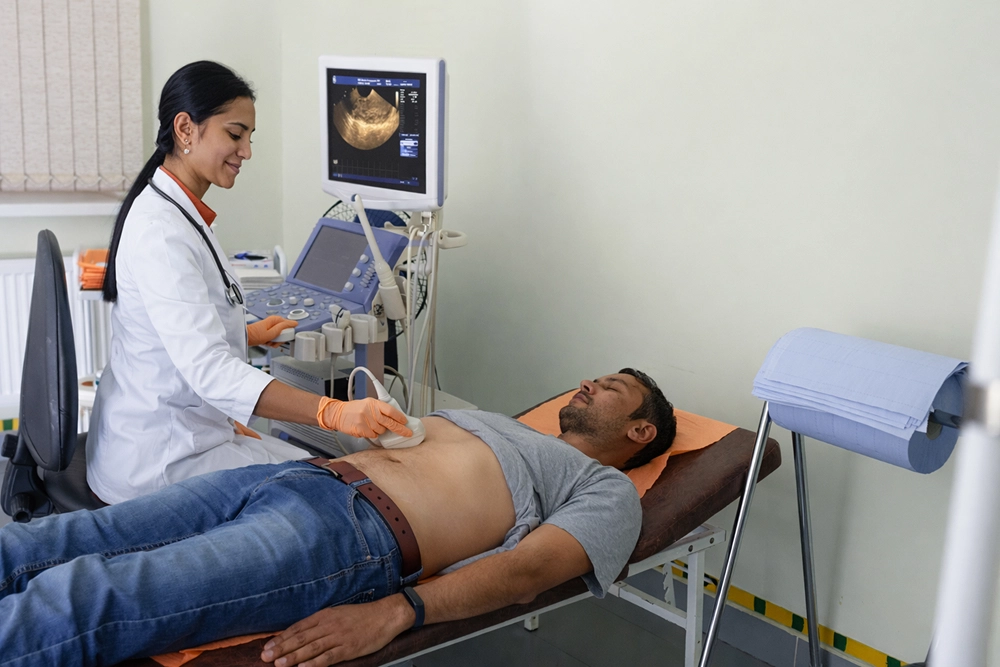
An endoscopic ultrasound (EUS) diagnostic test is a highly sophisticated procedure combining endoscopy with high-frequency ultrasound.
It is performed for the deep clinical assessment of the digestive tract, producing incredibly detailed images of the complete gastrointestinal tract, the chest cavity, and other surrounding vital organs.

Laparoscopic cholecystectomy is a highly effective, minimally invasive surgical technique practiced for the safe removal of the gallbladder and gallstones.
Following the introduction of this advanced medical technique, surgeons have been able to view internal anatomical structures with much greater clarity, significantly improving overall surgical precision and patient safety.
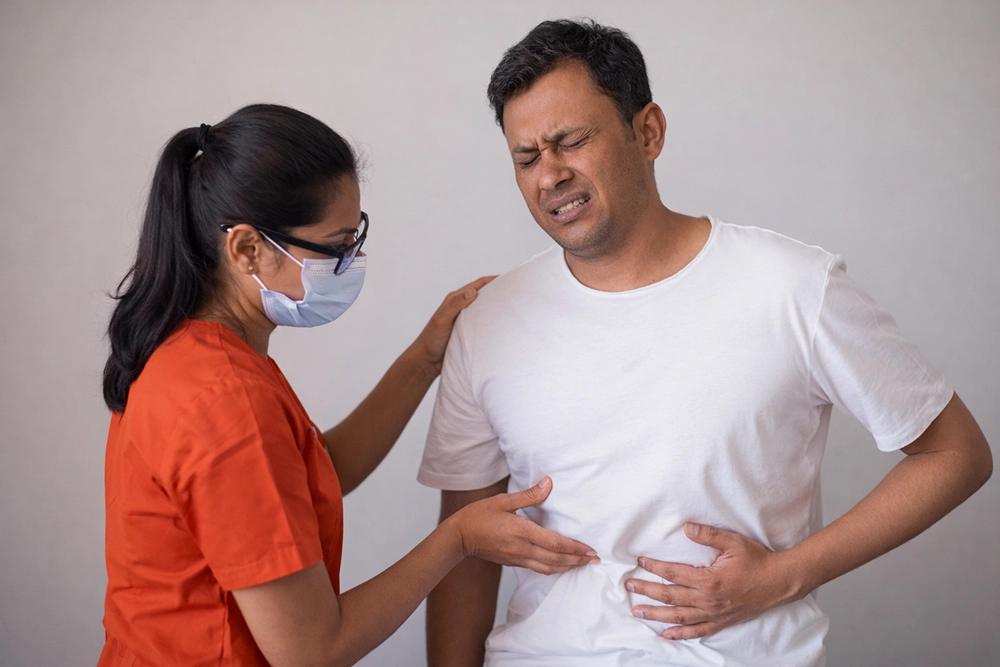
An ileostomy is a specialised surgical procedure in which the surgeon opens the abdominal wall to bring the end or a loop of the small intestine out onto the surface of the skin.
This critical procedure is necessary when the patient's large intestine is no longer capable of safely processing or releasing intestinal waste.
Ailments
Gastrointestinal disorders demand careful clinical intervention and prompt treatment:

Gastrointestinal bleeding is a severe medical emergency that requires absolute immediate clinical attention due to its potentially life-threatening nature. In such critical situations, therapeutic endoscopy plays a crucial and life-saving role in the rapid diagnosis, precise localisation, and immediate treatment of the bleed.
Bleeding occurs when blood leaks into the digestive system, a crisis that can be triggered by numerous conditions such as severe peptic ulcers, aggressive gastritis, ruptured varices, and gastrointestinal cancers.
Common clinical symptoms include hematemesis (vomiting blood), melena (dark, tarry stools), and haematochezia (bright red blood present in the stools).

Ulcers are highly painful sores located in the stomach or small intestine that develop when harsh stomach acid damages the protective mucosal lining of the digestive tract.
The most common and disruptive symptom of a stomach ulcer is a persistent, burning, or gnawing abdominal pain.

GERD is a chronic, highly disruptive digestive disease that occurs when stomach acid continuously flows backward into the food pipe (oesophagus), causing severe irritation and inflammation.
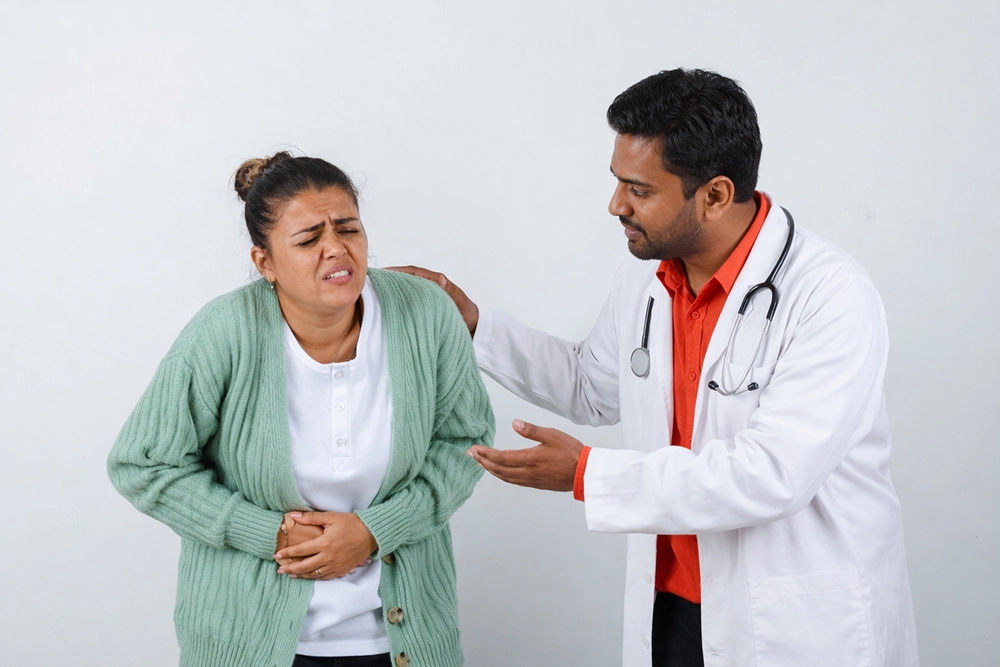
Gilbert’s Syndrome (GS) is an inherited, typically benign disease of the liver wherein a specific liver enzyme cannot properly process bilirubin, frequently leading to a noticeable yellowing of the eyes and skin (jaundice).
Latest Technology Utilisation
The Gastroenterology Department at Anandam Hospitals is fully equipped with the most advanced medical technologies available on the market, including:
A highly specialised, high-tech clinical area designed specifically for advanced diagnostic and therapeutic procedures. It focuses heavily on enhancing patient comfort, ensuring rigorous infection control protocols, and utilising advanced imaging technology to drastically improve diagnostic accuracy.
Super Specialities
Doctors, Pioneers, Life Savers
Our super-specialist doctors consistently provide the highest quality of care through a deeply integrated, team-based, doctor-led clinical model. Having trained at some of the world’s most renowned and prestigious medical institutions, our highly experienced physicians stand as distinguished, globally recognised experts within their respective specialities.
Our doctors work full-time and exclusively across the Anandam Hospitals network. In addition to offering super-specialised medical care in their own distinct fields, the unique organisational structure of Anandam Hospitals actively enables every doctor to help foster a powerful culture of seamless collaboration and multispecialty care integration.