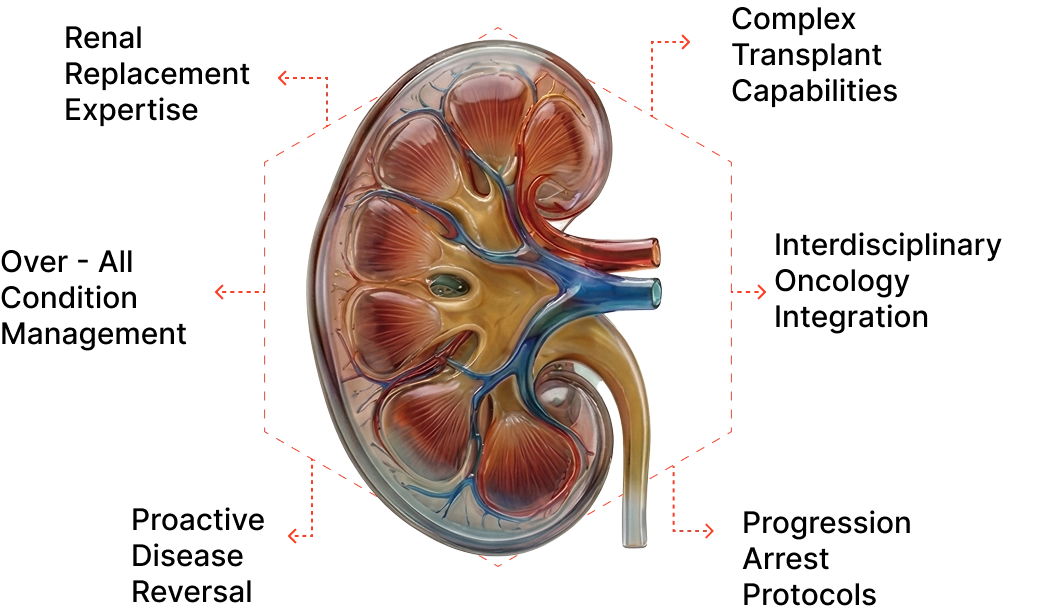
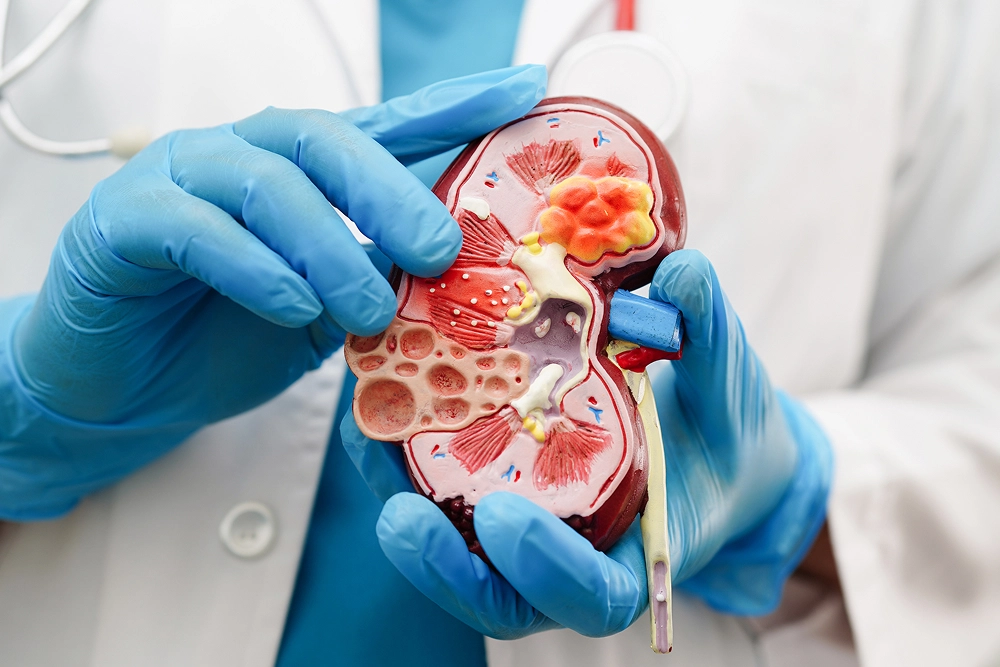
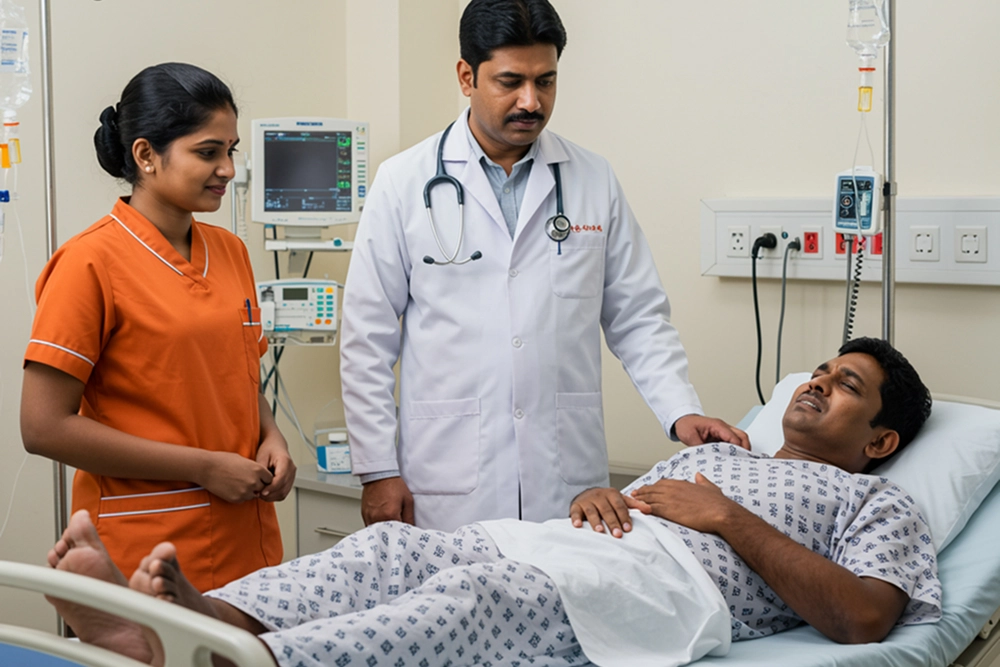
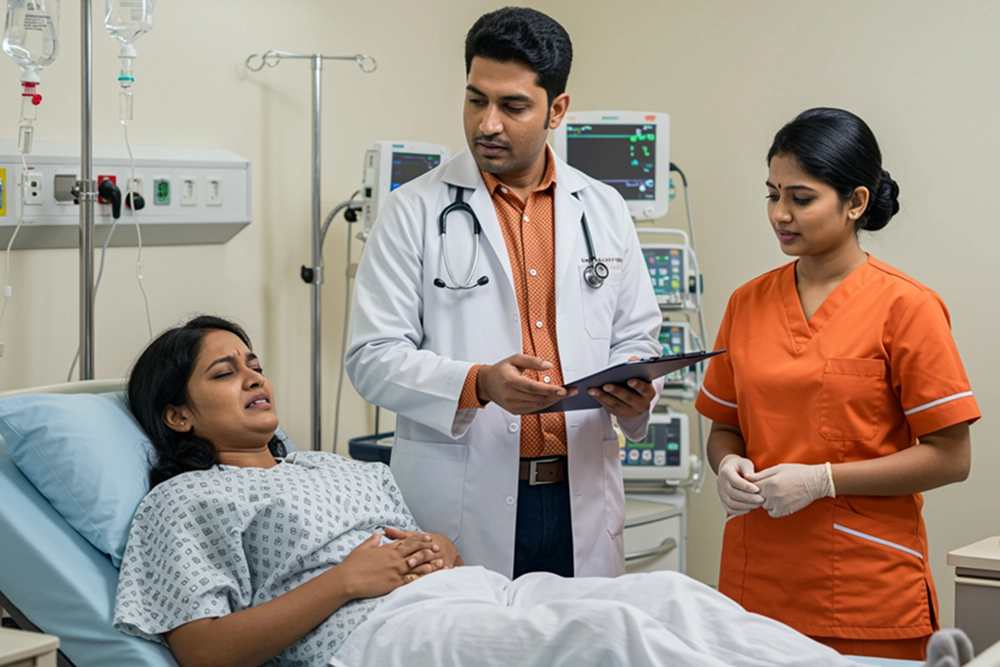
The Division of Nephrology at Anandam Hospitals provides expert medical management for all common and complex conditions affecting the kidneys. This includes specialised treatment for kidney cancers and systemic diseases, such as autoimmune disorders. Our nephrologists specialise in the aggressive prevention and end-to-end management of kidney diseases. They work collaboratively to ensure that patients' kidney health is preserved and improved, ideally to an extent that surgical intervention from our urology counterparts is not required. Disease reversal remains a key driving force for our clinical experts.
Our comprehensive suite of diagnostic and disease management services, which includes advanced dialysis and transplant medicine, is highly effective and meticulously designed to prioritise patient comfort throughout the treatment journey. We are steadfast in our mission to enhance our patients' overall quality of life post-treatment, and our medical team leverages state-of-the-art technology to ensure absolute precision in providing care.
CMD Note: With the stresses of modern life increasingly impacting vital organs like the kidneys, we have built a division entirely dedicated to educating patients and actively preserving renal function in both at-risk individuals and those currently ailing. Our multidisciplinary approach ensures that we are fully equipped to provide exceptional care for patients at every stage of their disease.
Empowering Kidney Health for a Brighter Tomorrow

The Division of Nephrology carefully curates distinct treatment modalities depending on the specific cause and stage of a patient's kidney disease. Our integrated team ensures that every patient receives the most suitable, advanced care currently available. By utilising highly advanced clinical protocols and techniques, our experts work diligently toward arresting the progression of kidney disease to prevent end-stage renal failure (Stage 5), all while ensuring the patient's course of treatment remains as comfortable as possible.
As the largest contributing factors to Chronic Kidney Disease (CKD), diabetes and severe hypertension are major areas of focus within the Division of Nephrology. We specialise in treating patients whose kidneys have been severely impacted by uncontrolled or highly advanced systemic diseases. Furthermore, the division utilises a collaborative Tumour Board approach for the highly patient-oriented management of adrenal cancer. We work seamlessly as a team to eliminate physical and administrative barriers through close interdisciplinary interactions among urologists, nephrologists, and medical and radiation oncologists.
Compassionate care for your precious kidneys.
Nurturing Hope through Nephrology Excellence
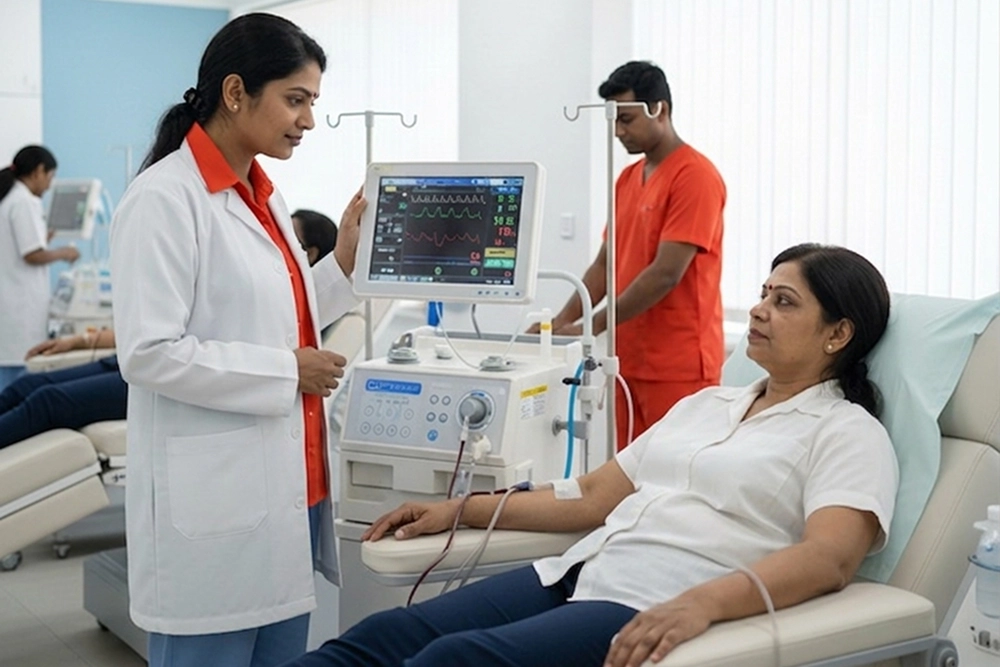
Dialysis is a critical, life-saving procedure designed to mechanically carry out the vital functions previously performed by healthy kidneys. The procedure utilises a specialised filtration device to effectively filter out waste products present in the blood while meticulously keeping fluid and electrolyte levels in check. Our physicians expertly prescribe three major dialysis techniques based on individual case factors: Haemodialysis, Peritoneal Dialysis, and Continuous Renal Replacement Therapy (CRRT).
Following a procedure, each kidney transplant recipient is carefully prescribed a comprehensive medication regimen. This includes essential immunosuppressants, prophylactic antibiotics and antiviral medications, blood sugar management drugs, blood-thinning medicines, and gastrointestinal protectants to manage other potential health issues. Together, these advanced pharmacological therapies preserve the patient’s life and ensure that the new organ is not rejected by the body.
A paediatric ABO kidney transplant involves the highly complex transplantation of a kidney from a living donor to a paediatric recipient, despite inherent differences in their blood types. This highly advanced procedure aims to successfully restore vital kidney function in children suffering from severe renal failure.
Nurturing Hope through Nephrology Excellence
Also known clinically as renal failure, this is a severe condition in which the kidneys entirely lose their ability to filter waste and balance bodily fluids, causing dangerous toxins to accumulate in the bloodstream. The two main forms are Acute Kidney Injury (AKI), which is frequently reversible with prompt, adequate clinical treatment, and Chronic Kidney Disease (CKD), which is typically progressive and non-reversible.
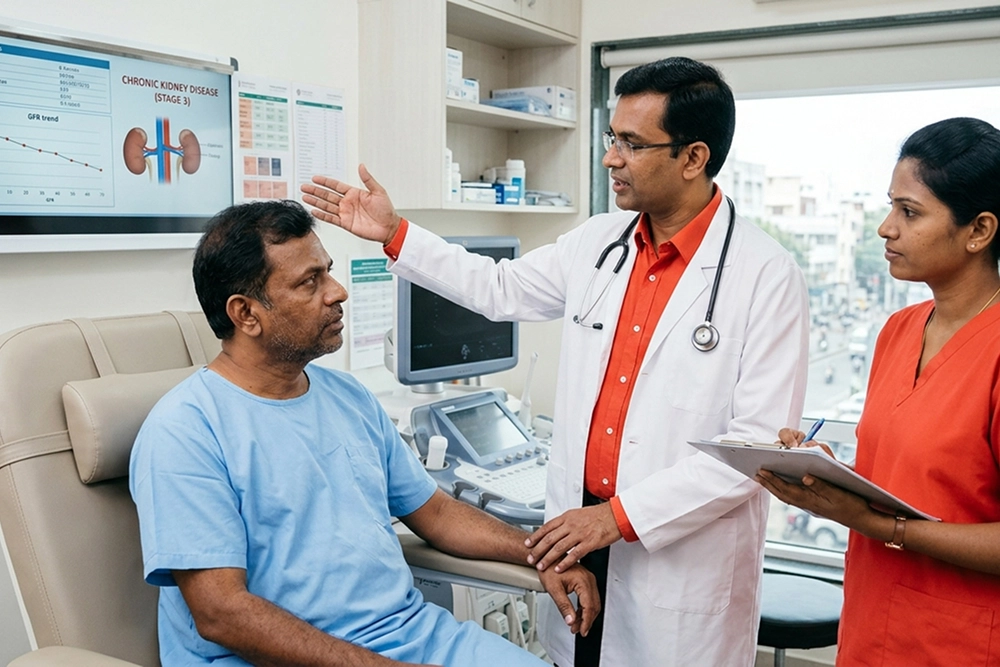
Chronic Kidney Disease is defined as the gradual, progressive loss of kidney function over a period of months or years. It advances through stages ranging from 1 to 5. Most individuals in the initial stages of CKD can be effectively managed with targeted lifestyle modifications and medication. Only about 0.5% to 1% of patients progress to CKD Stage 5, or complete kidney failure. At this critical stage, a person usually requires either ongoing dialysis or a kidney transplant to sustain life.
A UTI is a bacterial infection occurring in any part of the urinary system. These infections usually originate in the lower urinary tract, encompassing the bladder and the urethra. If left untreated, a UTI can aggressively spread upwards to the kidneys, causing serious and potentially permanent damage. The specific choice of treatment for urinary infections depends heavily upon the type of bacteria identified in the urine, the overall health of the patient, and the anatomical extent to which the infection has spread.
Urinary incontinence is characterised by the involuntary loss of urine, ranging from occasional, minor leaks to a complete lack of bladder control. While it can affect individuals across various age groups, it is significantly more prevalent in older adults, particularly women. Treatment pathways are highly personalised and depend entirely on the underlying cause of the incontinence.
Latest Technology Utilisation
The Nephrology Department at Anandam Hospitals is fully equipped with highly advanced medical equipment, including:
Ultrasound is currently one of the most cost-effective and completely non-invasive diagnostic radiological modalities available, remaining entirely devoid of any harmful radiation effects. It allows our expert radiologists to perform real-time imaging of the body's internal anatomy. With recent technological advances and the advent of high-resolution ultrasound imaging utilising higher-frequency transducers, exciting new frontiers have opened up for precise superficial and organ imaging.
Computed Tomography, commonly known as a CT Scan, is an advanced imaging process utilising highly focused X-rays integrated with powerful computer technology. It helps clinicians visualise detailed cross-sectional images of any part of the body, both horizontally and vertically. The entirely digital process produces a high-fidelity 3D picture of the patient’s internal anatomy. Images are acquired from multiple angles, empowering our doctors to visualise the target area comprehensively for a vastly improved clinical view.
A biopsy is a precise medical procedure that involves safely extracting a minute sample of tissues, cells, or organ matter from a specific part of the body for rigorous laboratory analysis. Both the clinical process itself and the extracted sample are interchangeably referred to as a biopsy.
Haemodialysis is a highly specialised type of dialysis treatment explicitly utilised for kidney failure. It employs a sophisticated machine to thoroughly clean the blood. The machine safely draws blood from the patient's body, meticulously filters it through an advanced artificial kidney (known as a dialyser), and continuously returns the purified blood to the body. This life-saving process typically takes 3 to 5 hours and is performed safely within our advanced hospital facility or dedicated dialysis centre.
Doctors, Pioneers, Life Savers
Our super-specialist doctors consistently provide the highest quality of care through a deeply integrated, team-based, doctor-led clinical model. Having trained at some of the world’s most renowned and prestigious medical institutions, our highly experienced physicians stand as distinguished, globally recognised experts within their respective specialities.
Our doctors work full-time and exclusively across the Anandam Hospitals network. In addition to offering super-specialised medical care in their own distinct fields, the unique organisational structure of Anandam Hospitals actively enables every doctor to help foster a powerful culture of seamless collaboration and multispecialty care integration.

View on Map
Emergency & Trauma Care