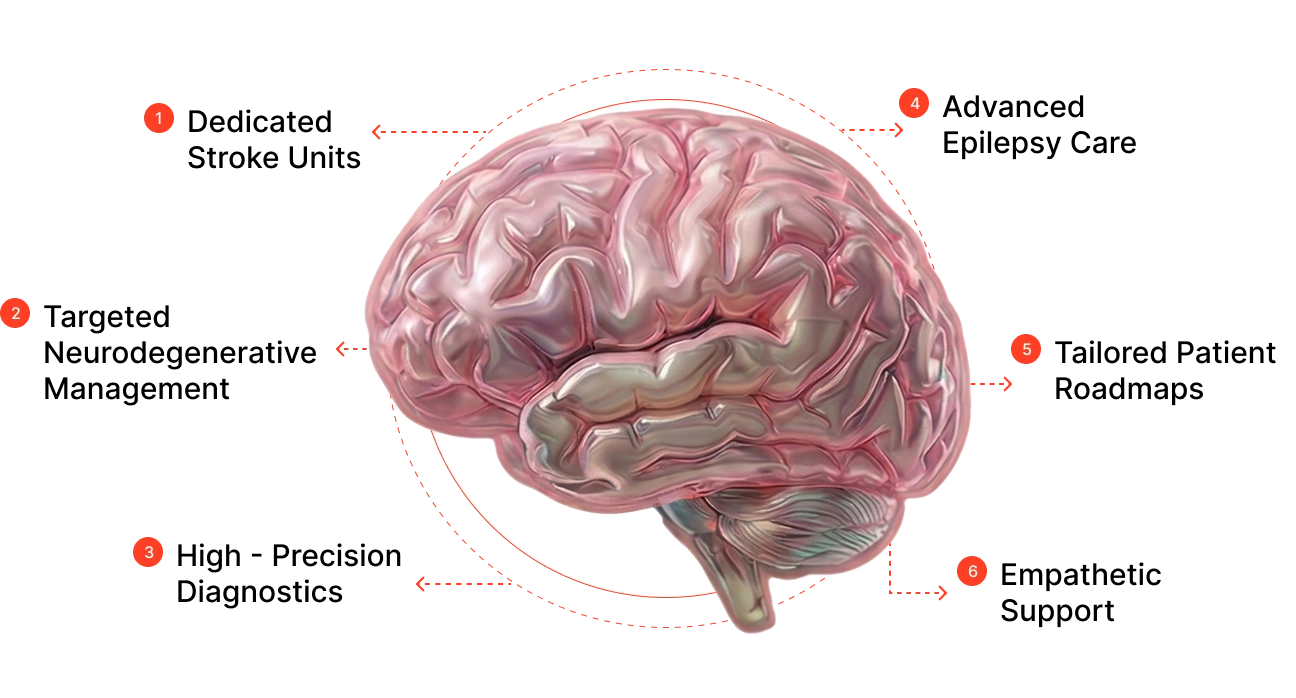
Our Neurology Division excels in diagnosing and treating a broad spectrum of neurological disorders, supported by a team of world-class neurologists and neurosurgeons. With state-of-the-art neuroimaging, neurophysiology labs, and specialized stroke care units, we ensure the highest standards of care for conditions like stroke, epilepsy, neurodegenerative diseases, and more.
CMD NOTE: Our patient-centred approach prioritizes tailored care plans, leveraging the latest in technology and research to offer effective treatment solutions.
Comprehensive Neurosurgery Team
Where Skill Meets Compassion – Redefining Neurosurgical Excellence at Anandam Hospitals.

Mastering the Complexity of Neurological Health with Specialized Care

Our neurologists use cutting-edge diagnostic tools and latest medical advancements to address the most routine and complex cases with equal attention to detail.
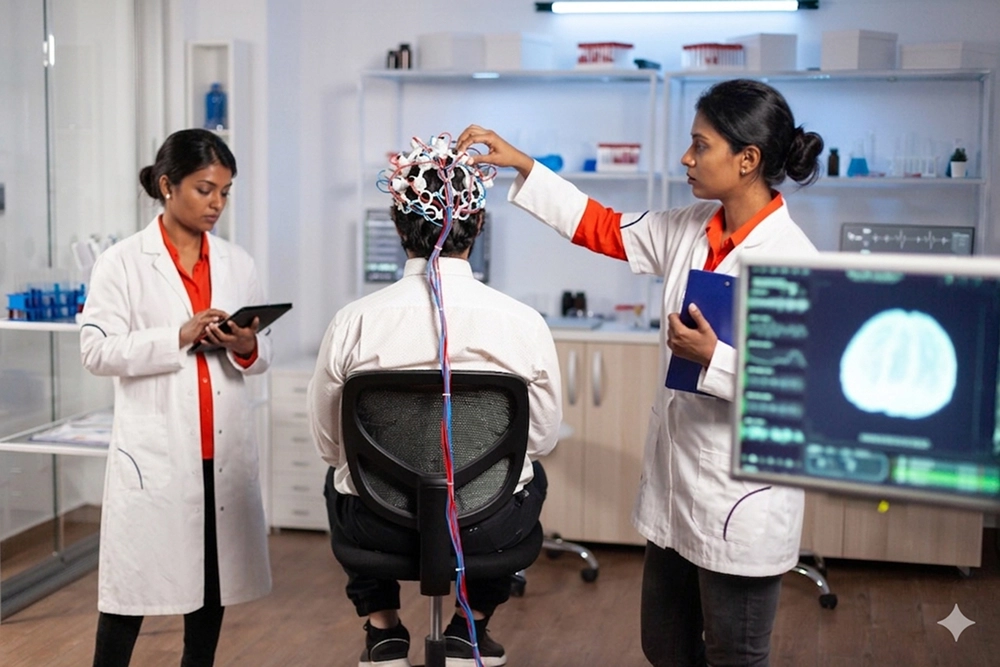
Our treatment plans cater to the distinct requirements of each patient.
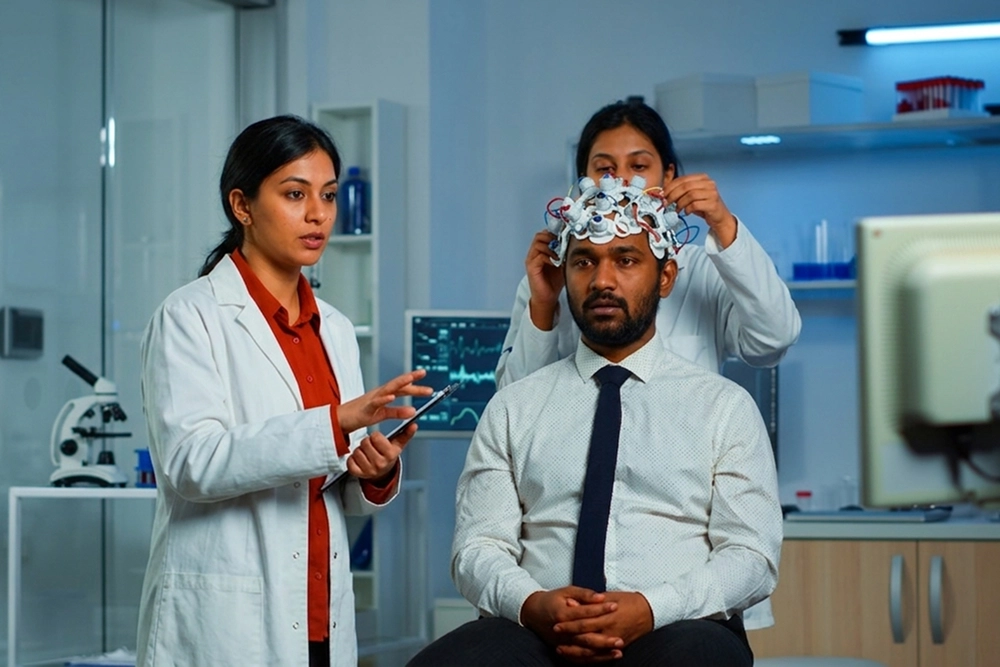
We understand the delicate nature of neurological concerns and ensure that every patient receives empathetic attention throughout their journey to recovery.

In the Realm of Neurons, Anandam Hospitals are Pioneers Precision for Optimal Neurological Health
Our Treatments
Fostering Neurological Wellness with Cutting-Edge Expertise
Parkinson’s disease is a neurodegenerative disorder affecting movement, characterized by tremors, stiffness, and impaired balance. Other movement disorders encompass conditions like essential tremor and dystonia. These disorders result from disruptions in the brain's control of voluntary movements, impacting quality of life. Treatment options include medications, physical therapy, and in severe cases, surgical interventions like deep brain stimulation.
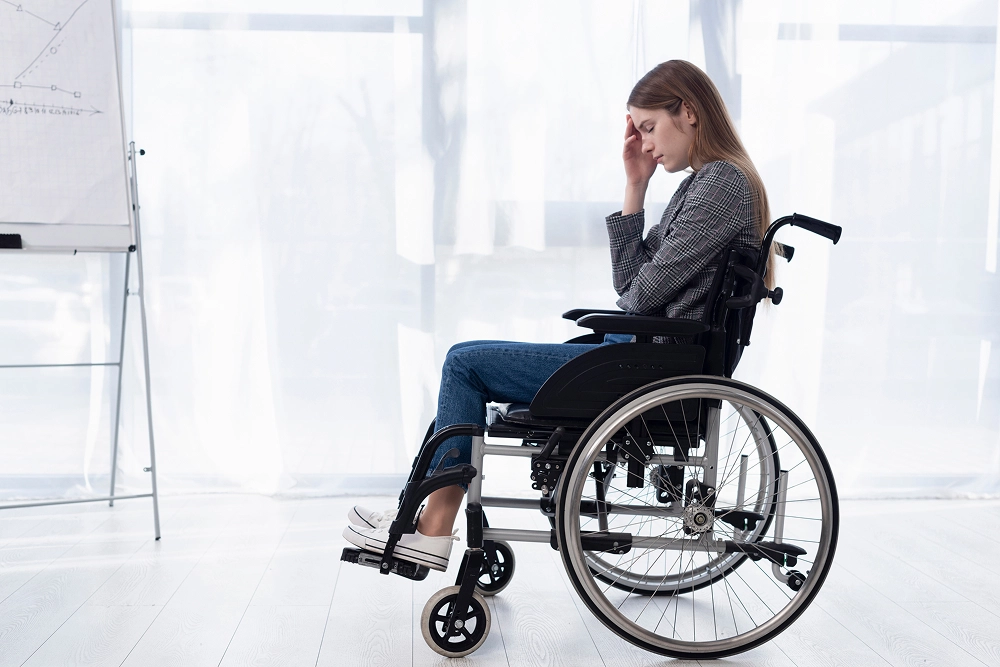
Multiple Sclerosis (MS) is an autoimmune disease where the immune system mistakenly attacks the protective covering of nerve fibres. This leads to communication disruptions between the brain and the rest of the body, causing varied symptoms such as fatigue, numbness, and difficulty walking. MS has unpredictable progression patterns, and management involves medications to modify the course of the disease, symptom relief, and rehabilitation therapies to improve functionality.
Alzheimer’s disease is a progressive neurodegenerative disorder characterized by cognitive decline, memory loss, and behavioural changes. It primarily affects older adults, causing brain cell damage that impairs communication between neurons. There is currently no cure for Alzheimer's, and treatment focuses on managing symptoms through medications, lifestyle modifications, and support for caregivers. Research is ongoing to understand the underlying causes and develop interventions to slow or prevent the disease’s progression.
Latest Technology Utilisation
Our neurology department utilises cutting-edge technology like:
A 1.5 Tesla MRI, a powerful magnetic resonance imaging system, operates at a field strength of 3 Tesla. This high magnetic field enhances image clarity and resolution, allowing for detailed visualization of neurological structures.
A 128 - slice computed tomography (CT) scanner is a cutting-edge imaging technology capable of capturing incredibly detailed cross-sectional images of the body. With its high number of slices, it enables comprehensive evaluation of neurological conditions.
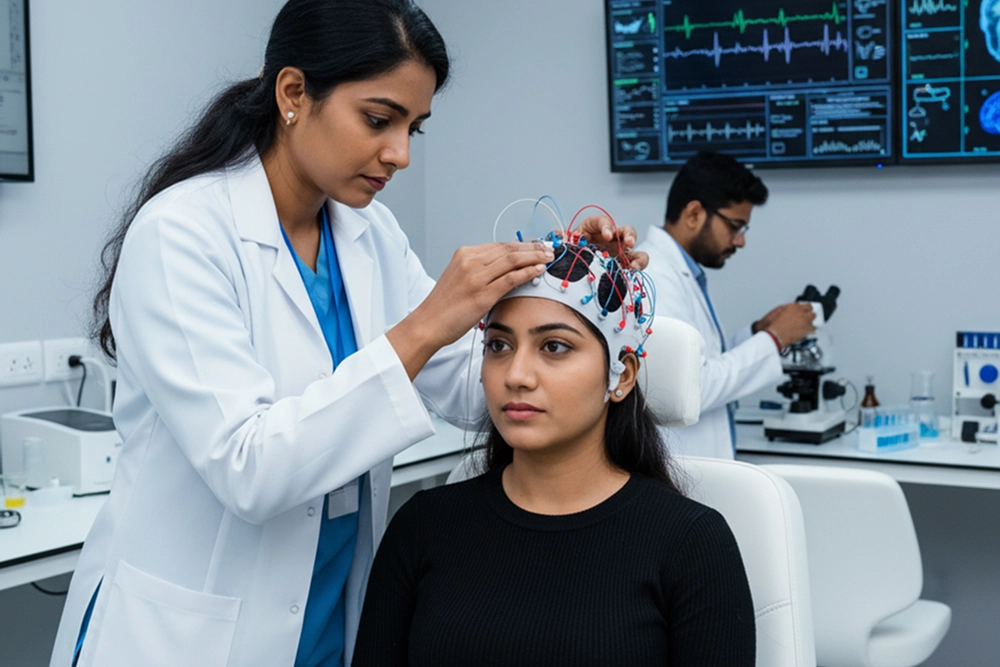
Electroencephalography (EEG) is a non-invasive technique that records electrical activity in the brain. By placing electrodes on the scalp, EEG measures brain wave patterns, aiding in the diagnosis and management of seizure disorders and other brain abnormalities.
An Electromyography (EMG) instrument is a critical diagnostic and research tool in neurosciences used to assess the health of muscles and the motor neurons (nerve cells) that control them. It records the electrical activity generated by muscle fibers during rest, slight contraction, and forceful contraction, converting these signals into graphs, sounds, or numerical values on a monitor.
The Nerve Conduction Velocity (NCV) instrument, often part of a larger electromyography (EMG) machine, is a foundational diagnostic tool in neurophysiology used to evaluate the health and function of peripheral nerves. It works by measuring the speed, amplitude, and latency of electrical impulses as they travel through a nerve.
The Philips Dedicated Neuro-Interventional Cath Lab is an advanced image-guided therapy suite designed specifically for the diagnosis and minimally invasive treatment of complex neurological disorders. It is engineered to improve workflow efficiency, enhance imaging precision, and reduce radiation doses, particularly for time-critical conditions like acute ischemic stroke.
Need the Right Medical Direction?
Our specialists are ready to assess and guide you.
- Advanced diagnostics
- Personalised treatment pathways

View on Map
Emergency & Trauma Care